
Announcements
The Charter of Peace is a powerful tool for reconciliation and conflict transformation, capable of restoring relationships and promoting genuine dialogue.
The Transforming Power of the Peace Charter
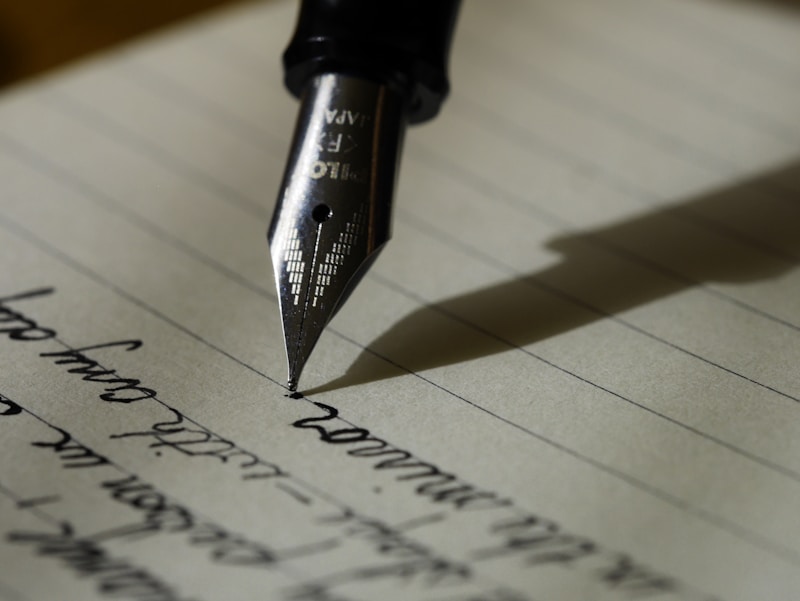
Communication & Reconciliation
Explore Techniques of Peace#
Reconciliation
Dialogue
Empathy
Transformation
Discover proven methods for resolving conflict through conscious writing
Access Resources
You will be redirected to another website.
Explore Techniques of Peace
Access Resources
In an increasingly polarized world, where disagreements multiply on social networks, work environments and even indoors, the ability to communicate peacefully has become essential. The Peace Charter emerges as a valuable resource for those who wish to resolve conflicts without direct confrontations, allowing time for reflection and careful choice of words.
Announcements
Unlike an impulsive message or a heated conversation, this letter offers space to organize thoughts, express authentic feelings and propose constructive paths. It represents not only words on paper, but a genuine commitment to harmony and mutual respect.
What Characterizes a True Letter of Peace#
An authentic Letter of Peace goes beyond a simple apology. It represents a profound exercise of self-awareness and empathy, where the sender recognizes his part in the conflict and demonstrates real willingness to change.
Announcements
The key elements include emotional honesty, the absence of direct accusations, a focus on personal feelings rather than judgments, and concrete proposals for resolution. It is not about admitting total guilt, but about opening a healthy channel of communication.
Many people confuse this letter with an unconditional surrender. In fact, it is an act of courage that demonstrates emotional maturity and willingness to prioritize the relationship above the ego. It is important to note that it does not require immediate response, respecting the processing time of the recipient.
🎯 Essential Components of Structure#
The ideal structure of a Peace Charter follows a natural flow leading to reconciliation. It begins with a respectful greeting, followed by a sincere recognition of the conflicting situation without minimizing its importance.
- Empathic openness: demonstrate that you understand the impact of the situation
- Expression of feelings: use “I feel” instead of “you did”
- Accountability: acknowledge your actions without excessive justification
- Valuing the relationship: emphasize the importance of the other person
- Constructive proposal: suggest practical steps to move forward
- Respectful closure: leave room for reflection without pressure
Order matters, as it establishes gradual trust and demonstrates that your intent is genuinely constructive.
when to Write a Letter of Peace#
Writing it in the heat of the moment rarely produces positive results. It is recommended to wait until the most intense emotions calm down, allowing mental clarity and balanced expression.
Ideal situations include prolonged family conflicts, professional disagreements that affect the work environment, breakups of relationships that require healthy closure, or breakups of friendships that have left unresolved hurts.
The letter works especially well when verbal dialogue has become impossible or repeatedly unproductive. It offers an alternative when physical presence generates excessive tension, preventing clear and respectful communication.
Situations Where Other Resources Are Most Suitable#
Not all conflicts benefit from a Peace Charter. In cases of domestic violence, psychological abuse or situations involving legal issues, professional advice and, where necessary, legal action is more appropriate.
When there is a need for immediate dialogue on urgent issues or decisions that cannot wait, direct communication remains preferable. The letter is also not recommended if you are not genuinely committed to real change.
how to Prepare Your Letter Step by Step#
Before you put your pen on paper or your fingers on the keyboard, take time to honestly examine your realistic motivations, feelings, and expectations.
Start by making a free draft, without excessive self-censorship. Write down everything you feel the need to express. Then review it by eliminating accusations, generalizations, and language that can be interpreted as attack.
the Technique of Applied Nonviolent Communication#
Nonviolent Communication (NVC), developed by Marshall Rosenberg, offers an excellent framework for Letters of Peace. This approach is structured in four components: observation, feeling, need and request.
Instead of writing “You always ignore me”, reword to “ When I do not receive a response to my messages (observation), I feel devalued (feeling), as I need connection and consideration (need). Could you let me know when I am busy? (request)”.
This structure eliminates accusations while keeping communication clear and honest, making it easier for the recipient to understand your perspective without feeling attacked, significantly increasing the chances of a positive response.
Practical Examples of Letters of Peace#
Looking at concrete examples helps you better understand the practical application of the principles. Let's explore common situations and how to approach them constructively.
conflict in the Professional Environment#
Imagine that you and a colleague had a public disagreement during a meeting. An effective Peace Letter could start like this:
“ Dear John, I come by this letter to express my discomfort with what happened at the meeting on Tuesday. When I raised my voice and challenged your proposal publicly, I acted disrespectfully. I recognize that there were more constructive ways to express my disagreement. I greatly value our joint work and would like to talk personally to align expectations. I am open to listening to your perspective and finding ways to collaborate better. I await your availability.”
Note how the letter takes responsibility without justification, maintains a professional tone and proposes concrete action for resolution.
familiar Disagreements#
Family conflicts carry complex emotional components. A letter directed at a family member could address:
“ Dear mother, the silence between us has caused me great sadness. I know that my recent choices have disappointed you, and I deeply regret the pain that it has caused. I understand that you wished different way for me. At the same time, I need you to know that my decisions come from careful reflection on my happiness. I do not intend to push you away, but build relationship where we can disagree without breaking ties. Can we talk calmly when you feel ready? I love you very much.”
Here, there is a balance between validating the feelings of the other and maintaining healthy boundaries about personal choices.
personalizing Your Message of Peace#
Each relationship has unique dynamics, and your letter should reflect that uniqueness. Consider the shared history, the personality of the recipient, and the cultural context in which both are embedded.
With close friends, you can adopt a more casual tone without losing the seriousness of the intention. The important thing is that the letter sounds authentically your own, not as text copied from generic models.
Include specific references to shared positive moments. This reactivates affective memories and reminds the recipient that the relationship goes beyond the current conflict.
⏰ What to Expect After Sending the Letter#
Managing expectations is crucial to not turning the letter into a new source of frustration. Not everyone will respond immediately or in the way you imagined.
Some people need days or weeks to process. Others may never respond formally, but show openness through small gestures. There are also those who are not ready for reconciliation, and this needs to be respected.
The value of the Peace Charter does not depend exclusively on the response of the other. It represents your personal commitment to peace, your emotional growth and your willingness to do your part. This process already brings intrinsic benefits, regardless of the result.
dealing with Different Types of Response#
If you receive positive response and openness to dialogue, prepare for genuine conversation where you will also hear uncomfortable perspectives.
Negative or aggressive responses require maturity not to react impulsively. Remember that you have done your part. If the person is not ready, forcing approach rarely works.
After a reasonable time (two to four weeks), you may consider closing this cycle internally, seeking peace with the situation as it is, not as you would like it to be.
psychological Benefits of Peaceful Writing#
Research in psychology shows that expressing feelings through writing has significant therapeutic effects. The act of organizing thoughts on paper reduces anxiety, clears up confused emotions, and promotes healthy emotional processing.
By writing a Peace Letter, you externalize the inner conflict, gaining a more objective perspective on the situation. Often during the writing process, we discover nuances that we had not noticed, including our own contribution to the problem.
This exercise develops emotional intelligence, strengthens communication skills, and cultivates empathy. Even if the recipient never reads the letter, you benefit from the reflective process it required.
Letters of Peace in Different Cultural Contexts#
Different cultures have varying norms about emotional expression and conflict resolution. In more collectivist cultures, the preservation of group harmony can be prioritized over individual expression of feelings.
In societies with strong hierarchy, the tone and language of the letter must respect these structures without compromising honesty. Adapting your approach to the cultural context demonstrates sensitivity and increases the chances of positive reception.
In Brazil, where personal relationships often intertwine with professionals, and where human warmth is valued, letters that balance formality with genuine affection tend to resonate better.
📬 Ideal Format: Digital or Manuscript?#
The choice between handwritten or digital letter depends on the context and the relationship. Handwritten letters carry greater symbolic weight, demonstrating investment of time and personal care.
For professional conflicts or with people with whom you do not have deep intimacy, well-written emails may be more appropriate. They allow the recipient to process the message on their own time without immediate response pressure.
Messages via communication applications are generally not recommended for formal Letters of Peace, as the medium may trivialize the seriousness of the intention. Reserve these channels for further follow-ups, after establishing the first contact through more formal means.
protecting Yourself Emotionally in the Process#
Opening up to a Peace Charter requires vulnerability, which can leave you emotionally exposed. Establishing clear boundaries internally helps protect your well-being during the process.
Remember that you control only your actions and intentions, not the reactions of others. Doing your part with integrity is enough. Letting go of the need to control the outcome frees you from unnecessary anxiety.
If the process of writing the letter brings out overwhelming emotions, consider seeking support from a therapist, counselor, or trusted person. Processing complex feelings with proper support makes the journey healthier.
Turning Conflicts into Opportunities for Growth#
Paradoxically, well-resolved conflicts can strengthen relationships more than if they had never occurred. The process of facing difficulties, communicating honestly, and rebuilding trust creates deeper, more authentic bonds.
Each Peace Letter you write develops your conflict resolution skills, making you more equipped to face future challenges. Over time, you may find that you need them less often as you learn to address disagreements before they escalate.
Regular practice of reflection, accountability, and empathetic communication transforms not only your external relationships, but also your relationship with yourself.

Cultivating a Culture of Peace Beyond the Charter#
A Peace Charter represents a moment of reconciliation, but true transformation happens when we integrate its principles into daily life. Daily practices of conscious communication prevent many conflicts before they begin.
This includes active listening, where you genuinely strive to understand perspectives different from yours. It also involves expressing needs and boundaries clearly before frustration builds up in resentment.
Creating an environment where people feel safe to express disagreements respectfully strengthens all relationships. When peace becomes shared value and practiced consistently, formal letters become less necessary, as constructive dialogue is already the norm.
The Peace Charter, therefore, is more than a tool for moments of crisis. It represents a philosophy of life where healthy relationships, honest communication and genuine reconciliation are constantly prioritized. By mastering this art, you not only resolve specific conflicts, but contribute to a world where understanding and respect prevail over division and resentment.
Continue reading
You might like it too

Get your lucky card now and change the day
Letters of Digital Luck: What They Are and Why They Are Winning Millions You have already come across that feeling of.

Letter from your soul mate: open the message right now
The Twin Soul Message You Were Expecting Imagine receiving a letter written especially for you by someone who understands.